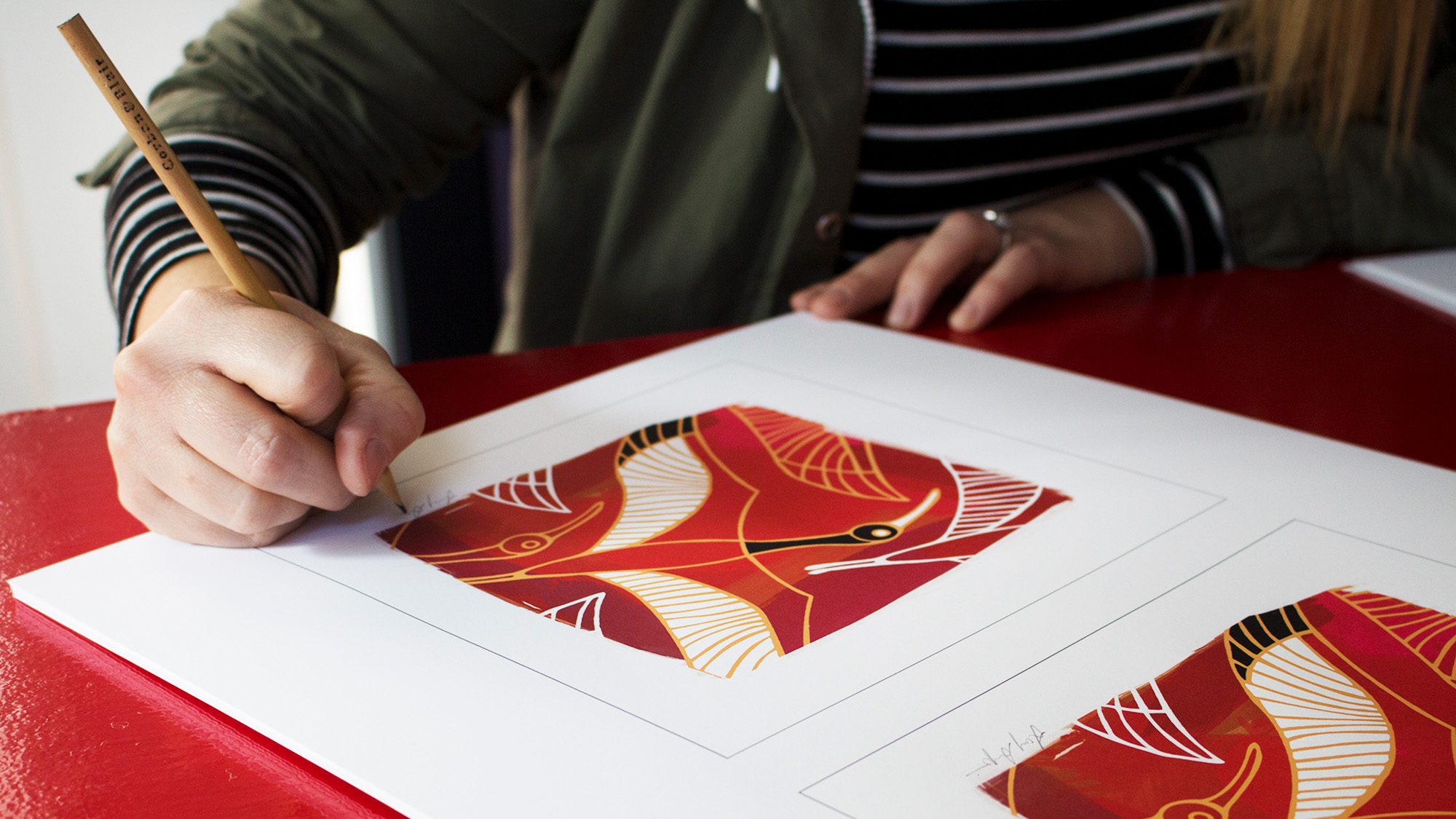
After nearly four decades of Corban & Blair, we’ve come to realise that what we do is about so much more than the products we make.
It’s about design — but also about the people behind it.
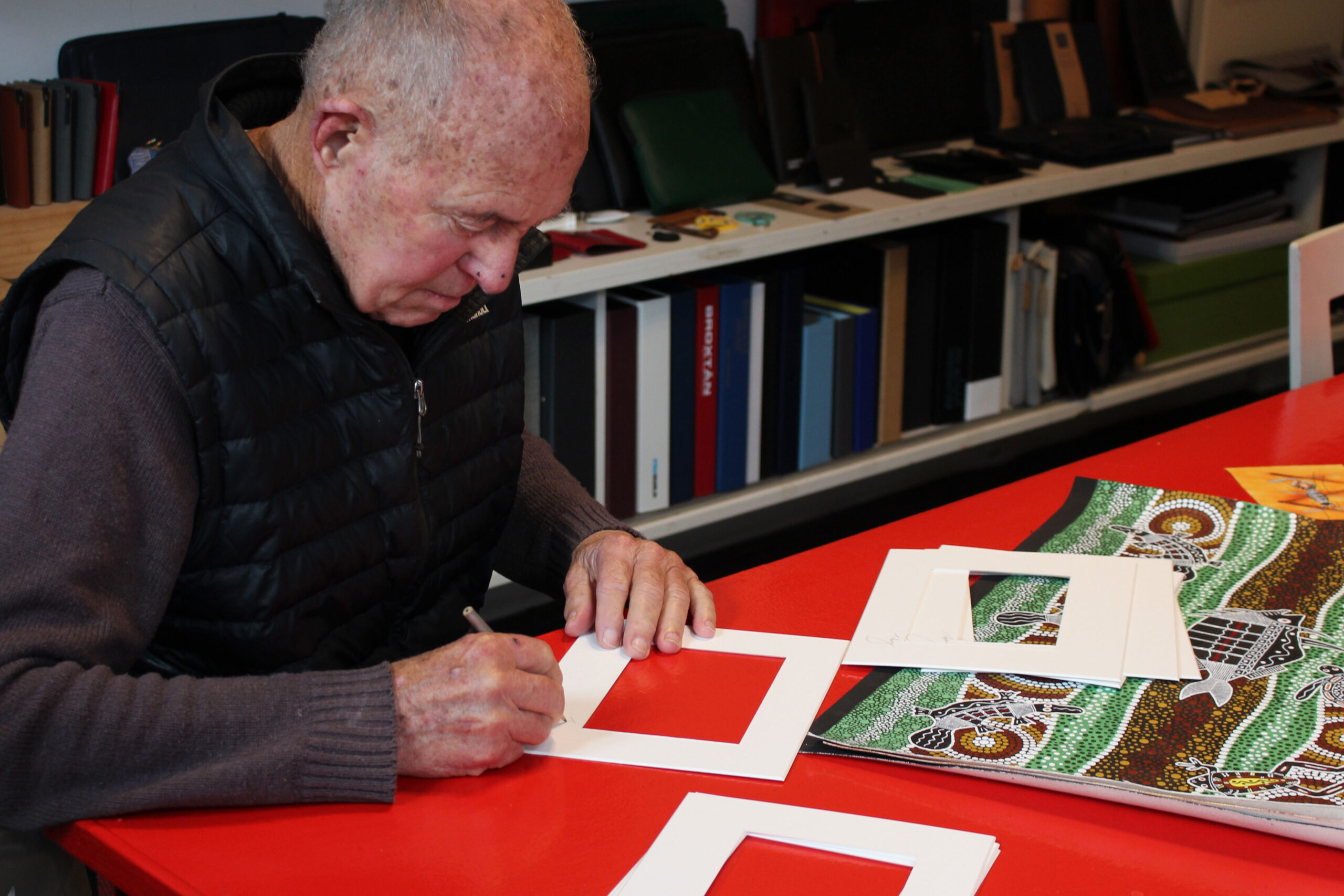
Makers, artists, poets, clients, customers, restaurants, and the broader community we’re part of. It’s about the diverse culture we engage with every day, and the stories that emerge through collaboration.
At its core, our work has always been about connection — between ideas, materials, and people.
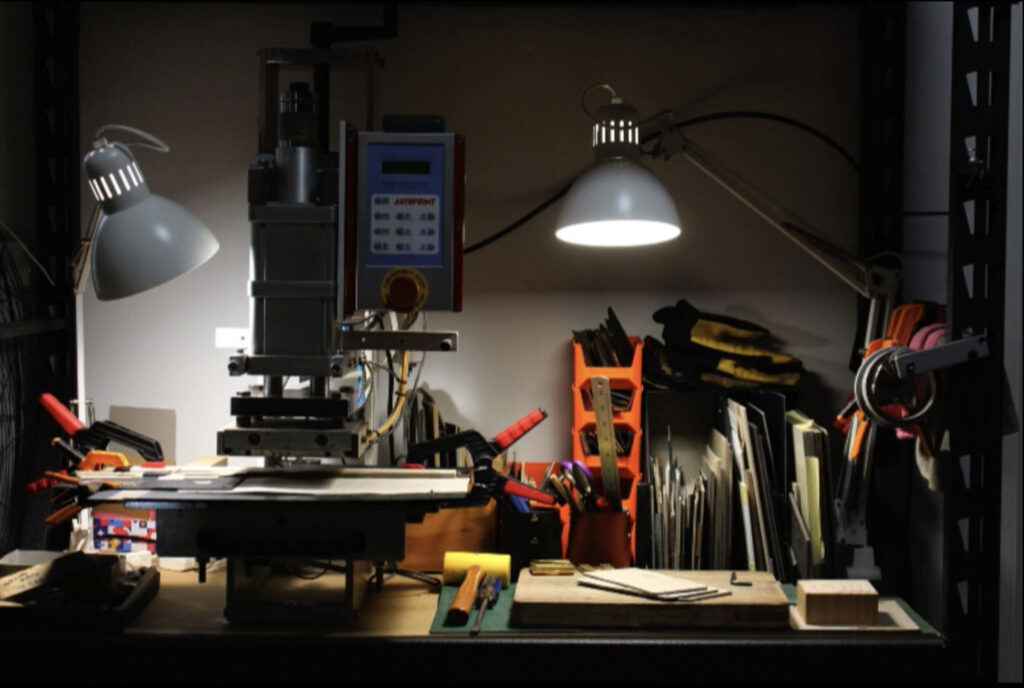
Why We Still Make Things Locally
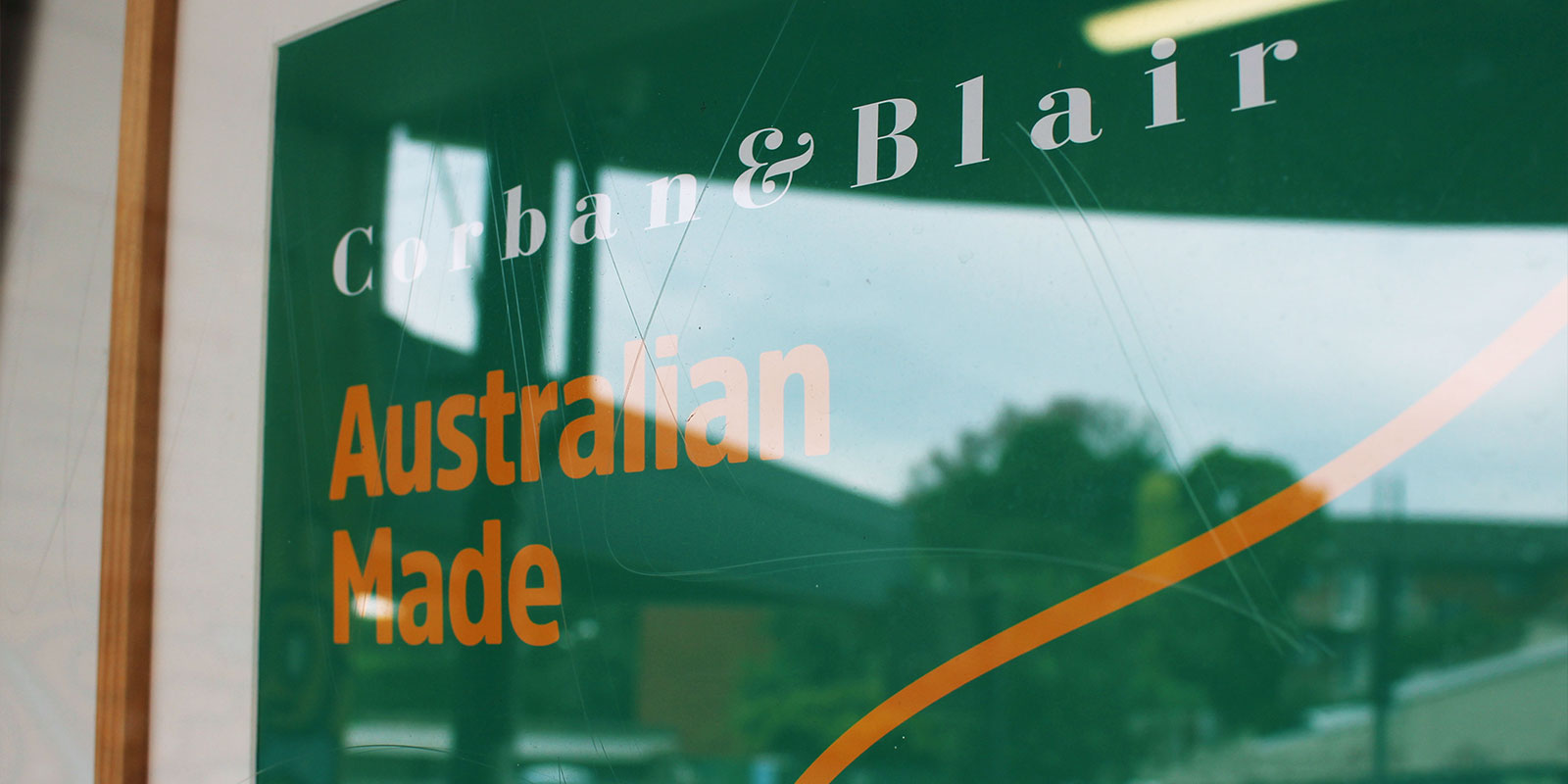
Local manufacturing still matters. Now more than ever.
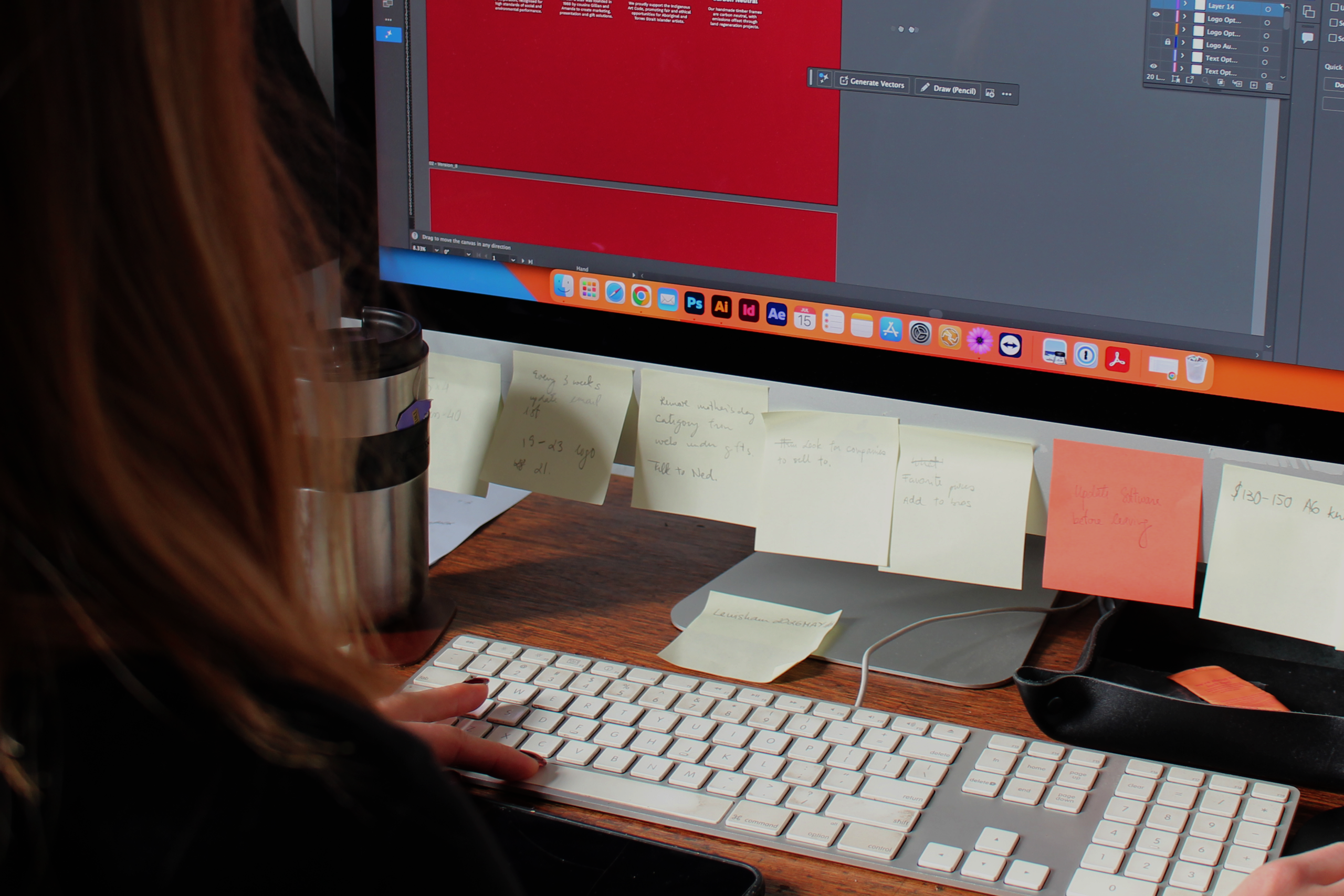
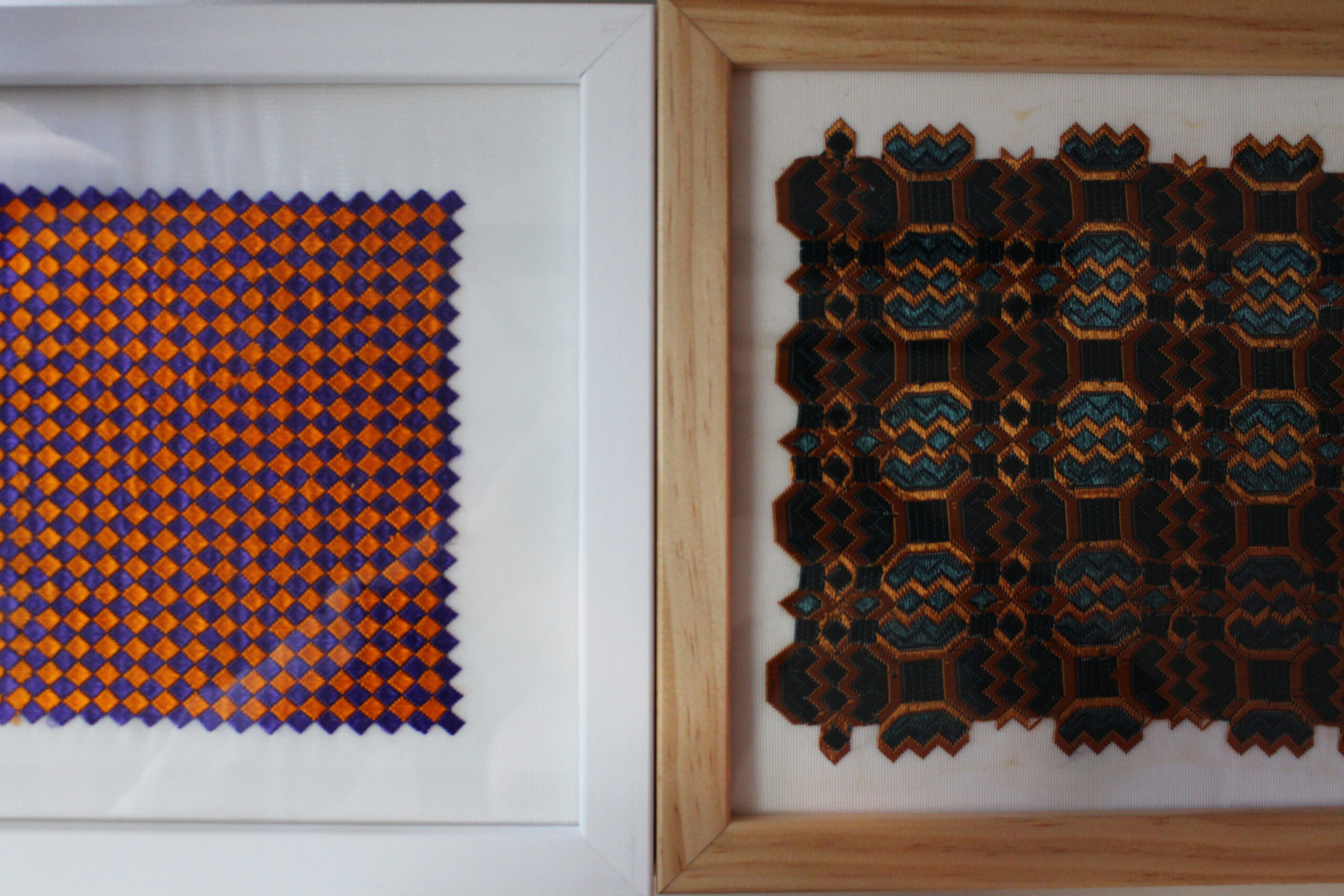
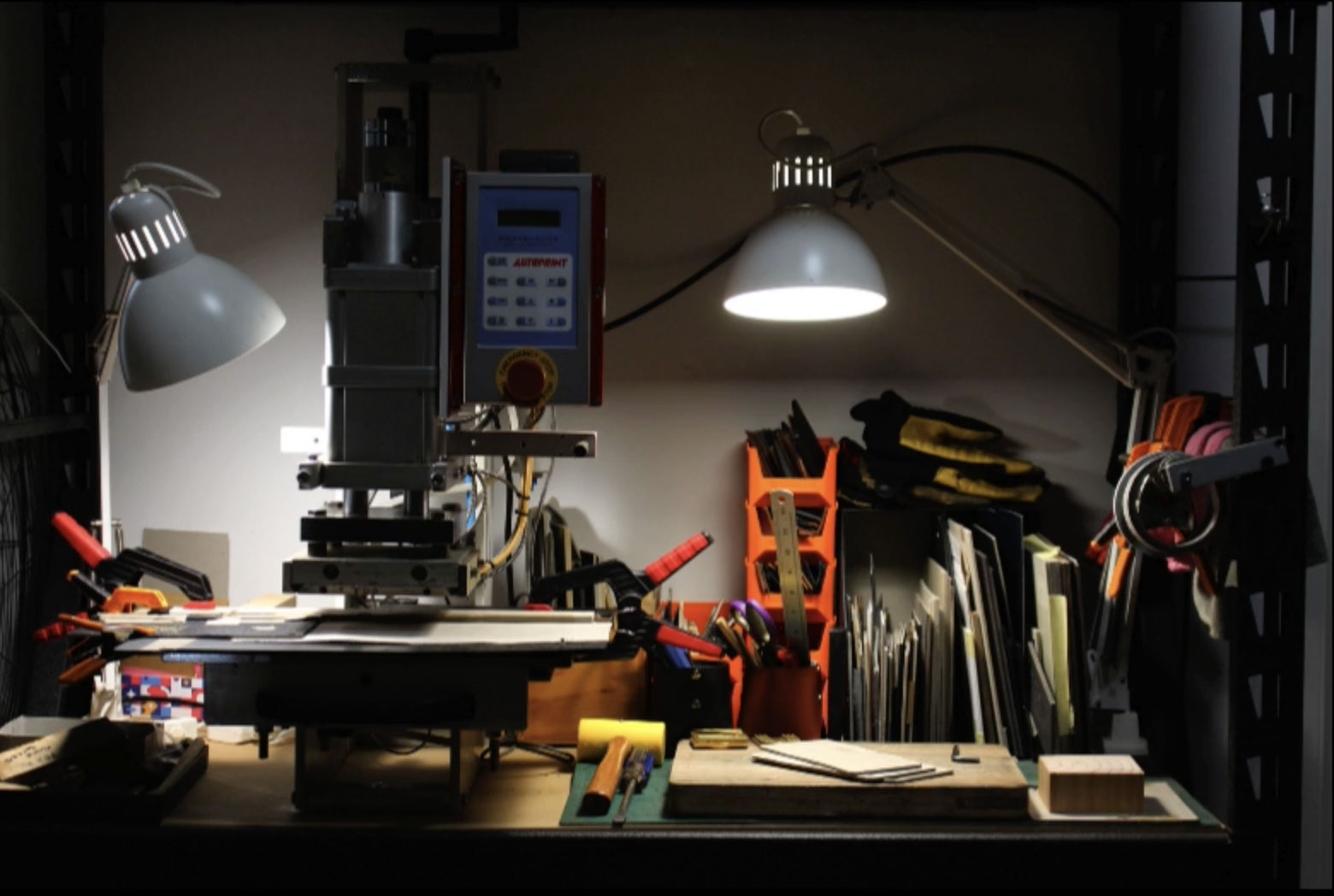
For us, it’s about keeping specialised skills alive — the kind of knowledge that comes from years of hands-on making. When we work closely with our makers and suppliers, we gain a deeper understanding of materials, processes, and the many small decisions that shape the final outcome.
That proximity leads to better design. More thoughtful objects. And ultimately, products that feel considered and complete.
There’s also a broader responsibility at play.
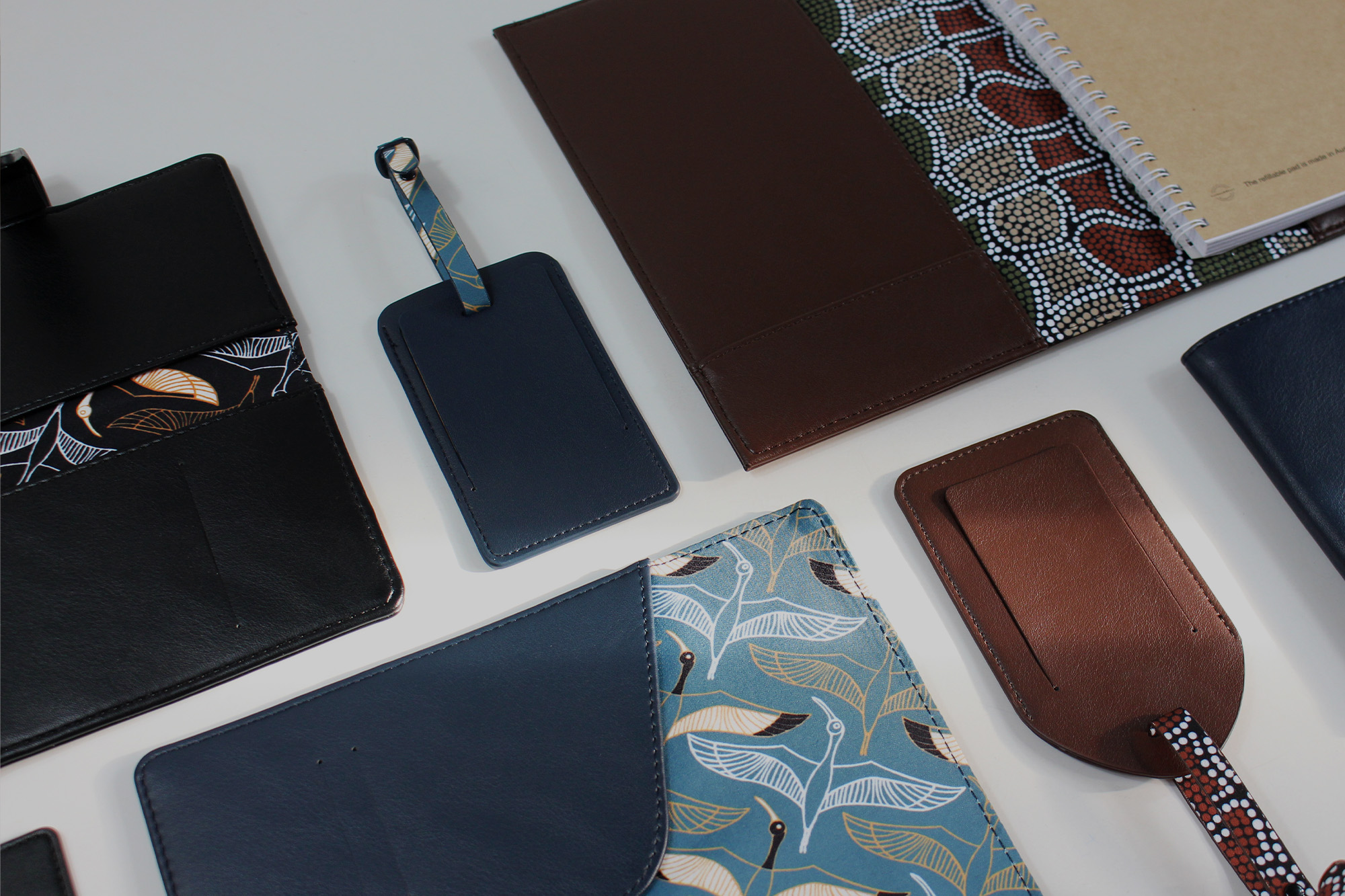
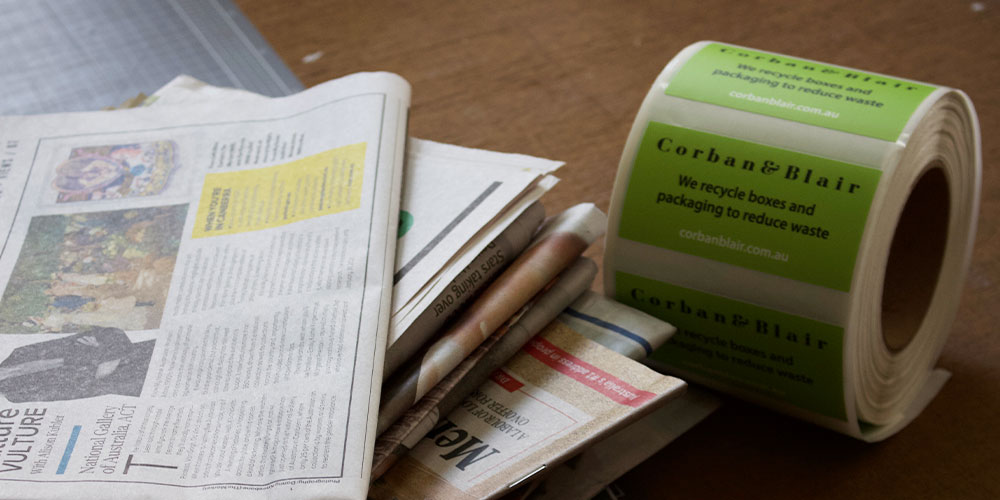
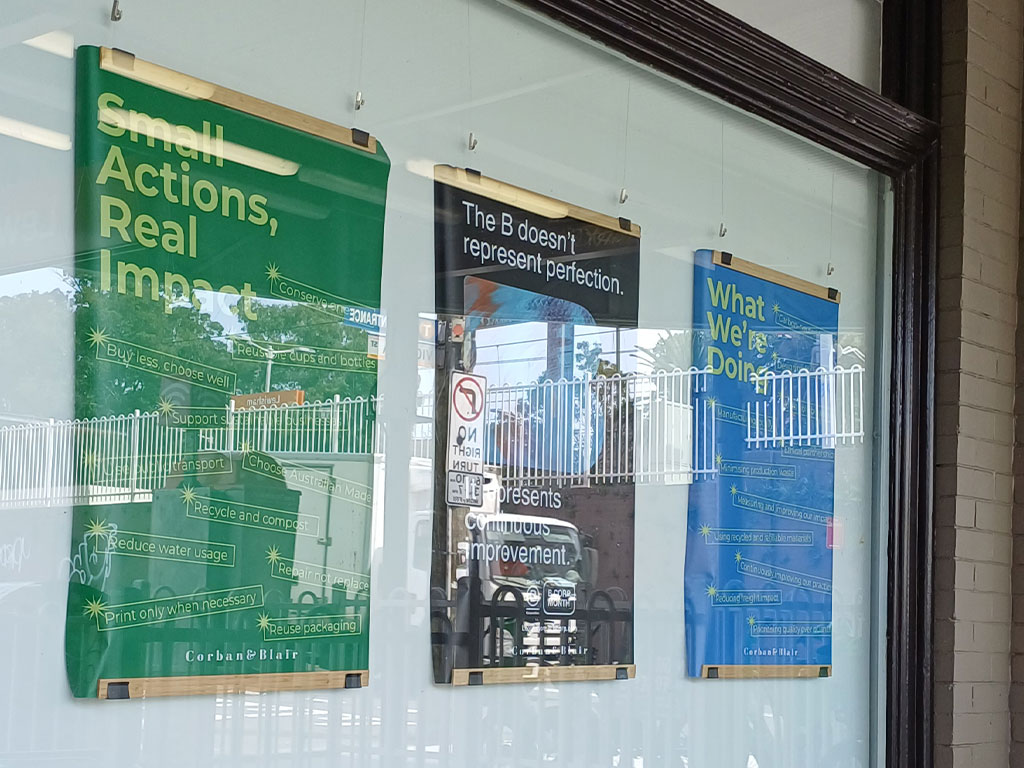
Designing and making locally allows us to repair, refurbish and redesign products rather than discard them. In a world increasingly defined by disposability, this shift is significant. Extending the life of an object not only reduces waste, but also respects the resources and craftsmanship that went into creating it in the first place.
Local production also helps reduce transport emissions and supports stronger, more resilient local economies — something we believe is essential for a more sustainable future.
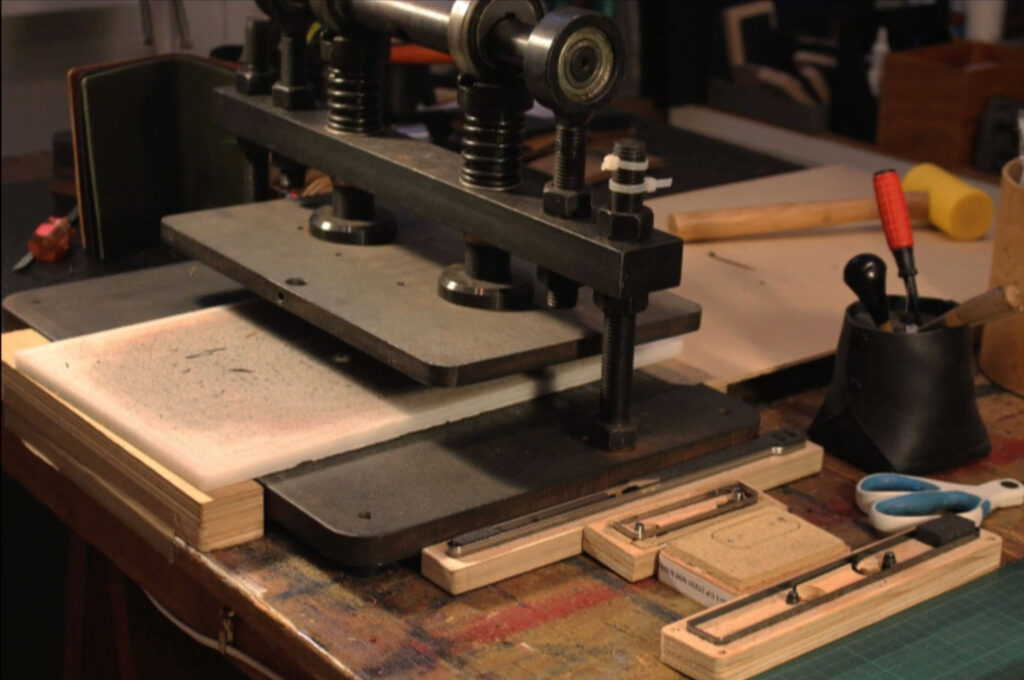
Making Things That Last
We’ve never been interested in making products for the sake of it.
Instead, we focus on creating pieces that are useful, considered, and enduring — objects that people want to keep, use, and return to over time.
Because when something is made well, it carries more than function.
It carries meaning.
It carries story.
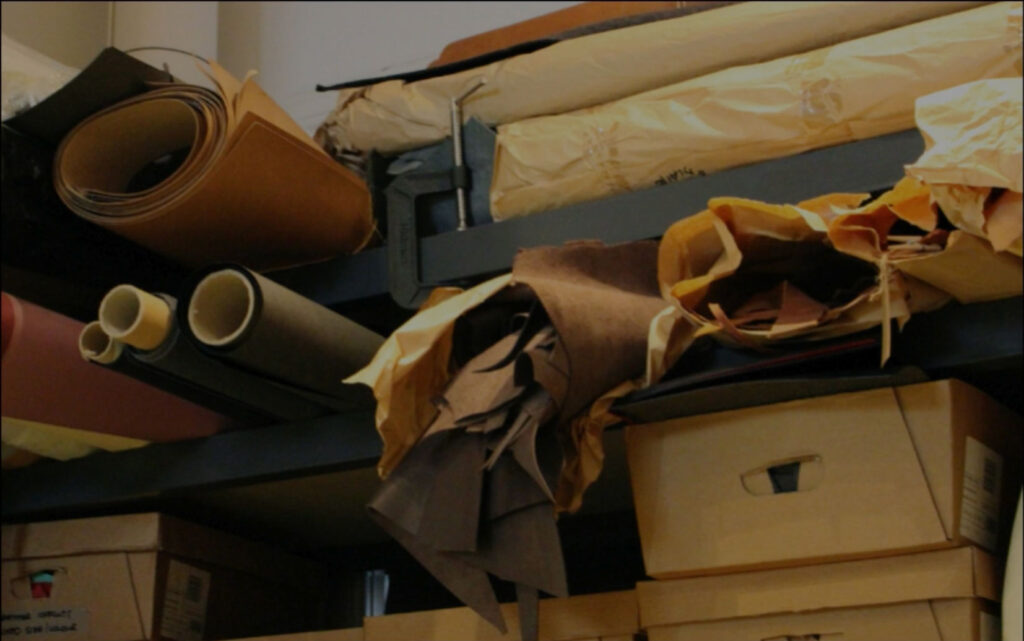
And that’s what continues to guide us — the belief that good design, thoughtful making, and meaningful collaboration can create something that lasts far beyond the object itself.